



Protect Yourself from Fraud
Protect Yourself from Fraud
Fraud Tips
Why, When, and How We Will Contact You
KTVAECU® will never contact you to ask for your online banking username, password, account reset codes, PIN, debit/credit card numbers, Social Security number, or account information.
There are times when we may contact you about your accounts. When we do, we may ask questions to confirm your identity, but we will not ask you for complete account numbers, card numbers, or online credentials. If you have any questions, call (865) 544-5400 or (800) 467-5427.
Pay-A-Person Scam: If you receive a text, call, or email from the Credit Union asking to send money through Pay-A-Person to KTVAECU, do not respond! We will never ask you to copy, forward, or send us a link.

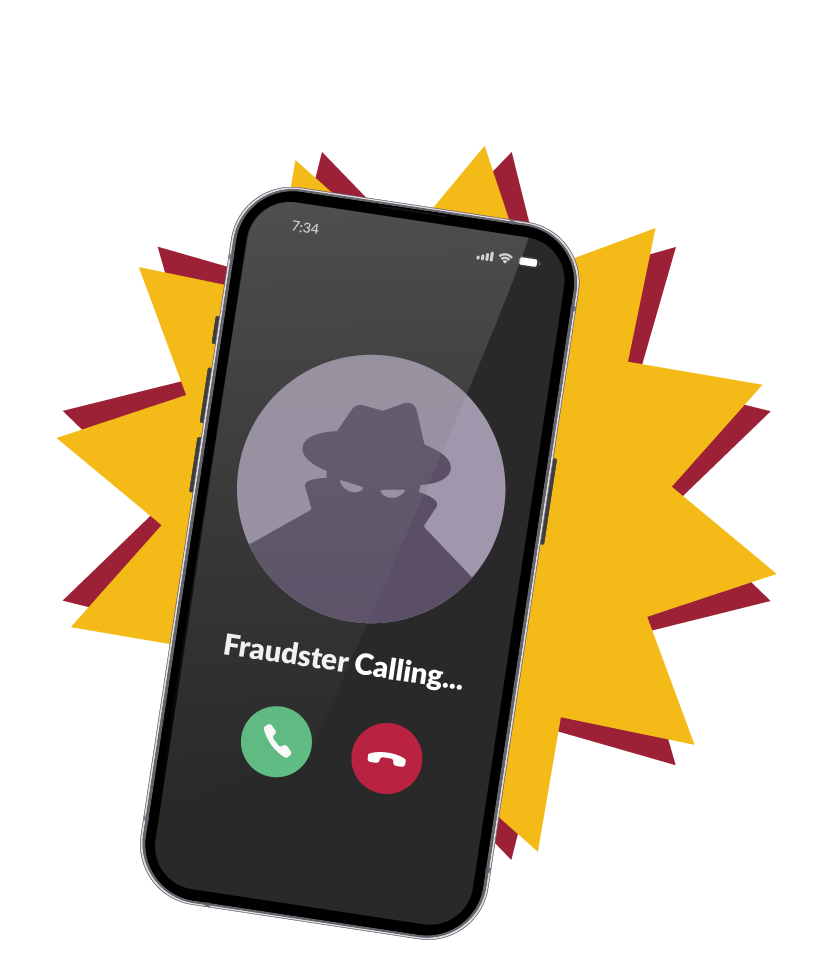
Slam the Scam
Imposter scams are the most common type of fraud. Scammers often pose as government agencies or trusted businesses. Learn how to recognize different types of scams:
- Government Imposters: Scammers claim to be a representative of the IRS, Social Security, or local police. They may say unexpected or dramatic statements, like you owe taxes, face arrest, or your Social Security number has been suspended, to startle or frighten you.
- Financial Institution Imposters: Scammers impersonate a representative of your financial institution. They may warn you about supposed fraudulent activity on your account. Then ask for personal information, like login codes or passwords, or instruct you to transfer money to fix the issue.
- Tech Support Issues: Scammers pretend to work for companies and claim you were charged for a fake purchase. They may claim they need access to your computer's login or password to fix the problem.
- Loved One Emergency: Scammers pretend to be a loved one who needs money right away because of an emergency.
Slam the Scam! If you receive a suspicious call, text, or email that mentions Social Security, ignore it and report it at ssa.gov/scam. If the fraudster is posing as another government entity, report it at FTC.gov.
Common Scams in Our Community
Fraud affects people of every age and background. While scams change over time, many follow similar patterns. Understanding how these scams work is one of the most effective ways to protect your money. Click on the icons to explore how these scams work!
Check Fraud
Check fraud often shows up in two ways:
Someone asks you to buy a cashier’s check
A scammer poses as a romantic partner, family member, or trusted contact and asks you to purchase a cashier’s check or withdraw funds. The person requesting it never repays you. Once the money leaves your account, it is gone.
Someone sends you a check to deposit
A scammer sends a check, asks you to deposit it, and ask you to send them part or all of the funds. The check may appear to clear your account at first, but later proves fraudulent. When the check is reversed, you are responsible for the loss.
Text Message Scams
Text message scams often impersonate the Credit Union or another trusted company. These messages claim there’s suspicious activity on your account and urge you to click a link or reply immediately.
The goal is to obtain your:
- Online banking login credentials
- Debit card numbers
- One-time verification codes
Your credit union will never ask for passwords, PINs, or secure access codes by text message.
Phone Call Scams
Phone scams frequently involve caller ID spoofing, where criminals make it appear the Credit Union, a government agency, or utility company is calling.
The caller may:
- Claim your account is locked
- Say fraudulent charges occurred
- Request account verification codes
- Ask you to move money to a “safe” account
We will not ask you to transfer funds to protect your account or share secure verification codes over the phone. If you feel pressured, hang up and call the Credit Union directly.

Email Scams
Fraudulent emails may look like official Credit Union communications. They often:
- Reference purchases you don’t recognize
- Claim account suspension
- Include links to verify your account
- Contain attachments labeled invoices or receipts
Clicking these links can install malware or lead to fake login pages designed to capture your credentials.
Payment Scams
Scammers often demand immediate payment using:
- Gift cards
- Wire transfers
- Cryptocurrency
- Pay-a-person through KTVAECU
They may claim the payment is required to:
- Prevent account closure
- Release a package
- Pay government fines
- Resolve fraud on your account
Legitimate businesses do not request payment through gift cards or cryptocurrency.
Romance Scams
Romance scams target individuals seeking connection through dating apps or social media. These scams may involve:
- Requests for wire transfers or gift cards
- Stories about emergencies or travel delays
- Promises of repayment or future plans together
- Pressure to move conversations off trusted platforms
Some involve elaborate stories to build trust over time before asking for money. Once funds are sent, they are often unrecoverable. A genuine relationship will not require secrecy, urgency, or financial support from someone you’ve never met in person.
What to Do If You’re Contacted by a Fraudster
If something feels suspicious, pause before you respond.
Step 1: Stop the Interaction. Do not reply to the message, click links, open attachments, or continue the conversation.
Step 2: Do Not Share Information or Send Money. Once information or money leaves your control, it is hard to recover. Pause before sharing details, security codes, or payment of any kind.
Step 3: Verify Contact Information. If a message claims to come from a financial institution, company, or person you know, verify it separately. Do not use the contact information provided in the message.
Step 4: Contact Knoxville TVA Employees Credit Union. If the message involves your account or mentions KTVAECU, reach out to us directly. We will help you determine whether the request is legitimate and guide you on next steps. If you already clicked a link, shared information, or sent money, reach out to us right away.


Protect Older Adults from Financial Exploitation
Financial exploitation often involves pressure or misuse of trust. It may come from a stranger or from someone you know.
Common scams:
- Impersonation scams that claim to be from the IRS or another authority
- Romance scams that build trust before asking for money
- Fake investment opportunities that promise high returns
- Lottery or sweepstakes claims that require payment to collect
- Tech support calls that request access or payment
A trusted contact adds another layer of protection. This is someone we may notify if we see activity that raises concern about possible fraud or exploitation. A trusted contact does not have access to your account or funds. You may add a trusted contact by completing our Trusted Contact Form.