




Fraud Center
Protect Yourself From Fraud

Why, When, and How We Will Contact You
We will never contact you to ask for your digital banking username, password, account reset codes, PIN, debit/credit card numbers, social security, or account information.
There are times when we may contact you about your accounts. We may sometimes need to contact you, but when we do we will never ask for your account information or to copy, forward, or send us a link. If someone asks you to use Pay-A-Person to send money, do not respond and call us immediately!
If you have any questions, call (865) 544-5400 or (800) 467-5427.
What to Do If You’re Contacted by a Fraudster
If something feels suspicious, pause before you respond.
Stop the Interaction
Do not reply to the message, click links, open attachments, or continue the conversation.
Do Not Share Information or Send Money
Once information or money leaves your control, it is hard to recover. Pause before sharing details, security codes, or payment of any kind.
Verify Contact Information
If a message claims to come from a financial institution, company, or person you know, verify it separately. Do not use the contact information provided in the message.
Contact Us
If the message involves your account, reach out to us directly. We will help you determine whether the request is legitimate and guide you on next steps. If you already clicked a link, shared information, or sent money, reach out to us right away.
Protect Older Adults from Financial Exploitation
Financial exploitation often involves pressure or misuse of trust. It may come from a stranger or from someone you know.
A trusted contact adds another layer of protection. This is someone we may notify if we see activity that raises concern about possible fraud or exploitation. A trusted contact does not have access to your account or funds. You may add a trusted contact by completing our Trusted Contact Form.
Trusted Contact Form
Slam the Scam!
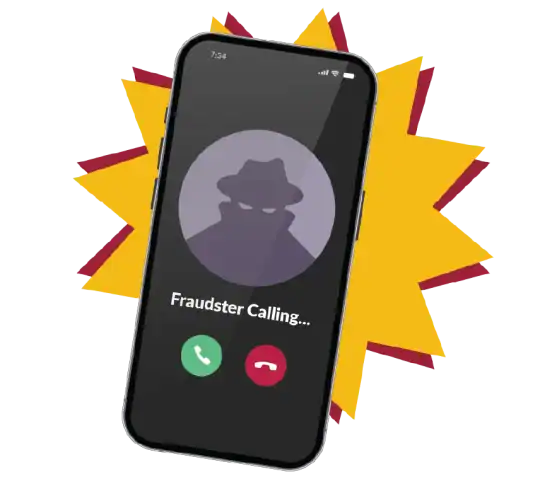
Government imposter scams can put your personal information and finances at risk. That’s why we’re helping Members recognize imposter scams before they can do damage.
If you receive a suspicious call, text, or email that mentions Social Security, ignore it and report it at ssa.gov/scam. If the fraudster is posing as another agency or business, report it at FTC.gov.
Your Security Matters
Protecting your digital banking experience involves more than recognizing the warning signs of fraud. True account security means understanding how to safeguard your login credentials, card information, and personal information before a scam ever occurs.

Fraud FAQs
Check out answers to common questions about fraud.
Contact Us
We will never ask for your full password, one-time security codes, or sensitive account details through text, email, or unsolicited phone calls. If you are unsure, contact us directly at (865)544-5400.
Enroll in account alerts, use card controls, monitor your transactions regularly, and keep your contact information up to date. Account alerts notify you of important activity in real time, while card controls allow you to manage when and how your debit card is used. These tools help you quickly detect and stop unauthorized transactions. Learn more about how to protect your Credit Union accounts from fraud on our Security page.
If you notice unauthorized transactions or suspicious activity, contact us immediately. We’re here to help you understand the situation and guide you on next steps.
Contact us right away. We’ll review your account and help secure your information.
Yes. Report all suspected fraud to protect your account — and don’t be embarrassed! Fraudsters are extremely sophisticated and use a lot of tactics to gain access to your information. The most important thing is to reach out to us as soon as you suspect fraud.
No. Fraud occurs in all kinds of places. This includes phone calls, emails, social media, mail, and in-person requests. Use extra caution for any unexpected request for money or personal information.
For information on card disputes and fraud, visit our Card Disputes page.
If someone you don’t recognize contacts you but says they’re with us, we encourage you to contact us at our publicly listed phone number (865) 544-5400 to verify their identity.
Communications like these are often fraudulent. The Social Security Administration (SSA) is aware of these and encourages you to take steps to stop scams. Find additional information from the SSA at www.ssa.gov/scam.